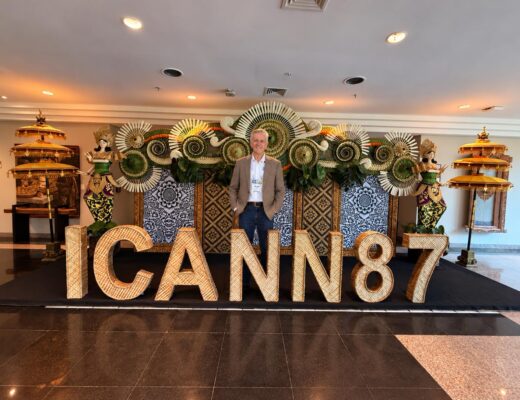
Bali, Indonesia | By Nivaldo Cleto*
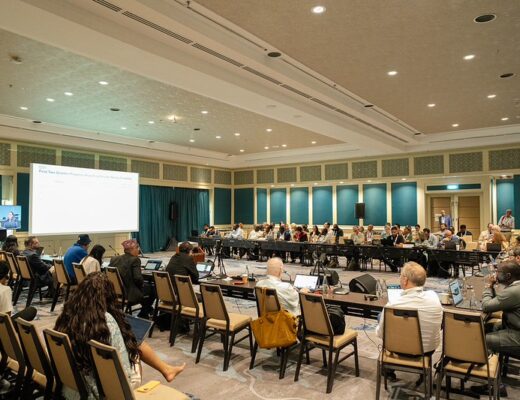
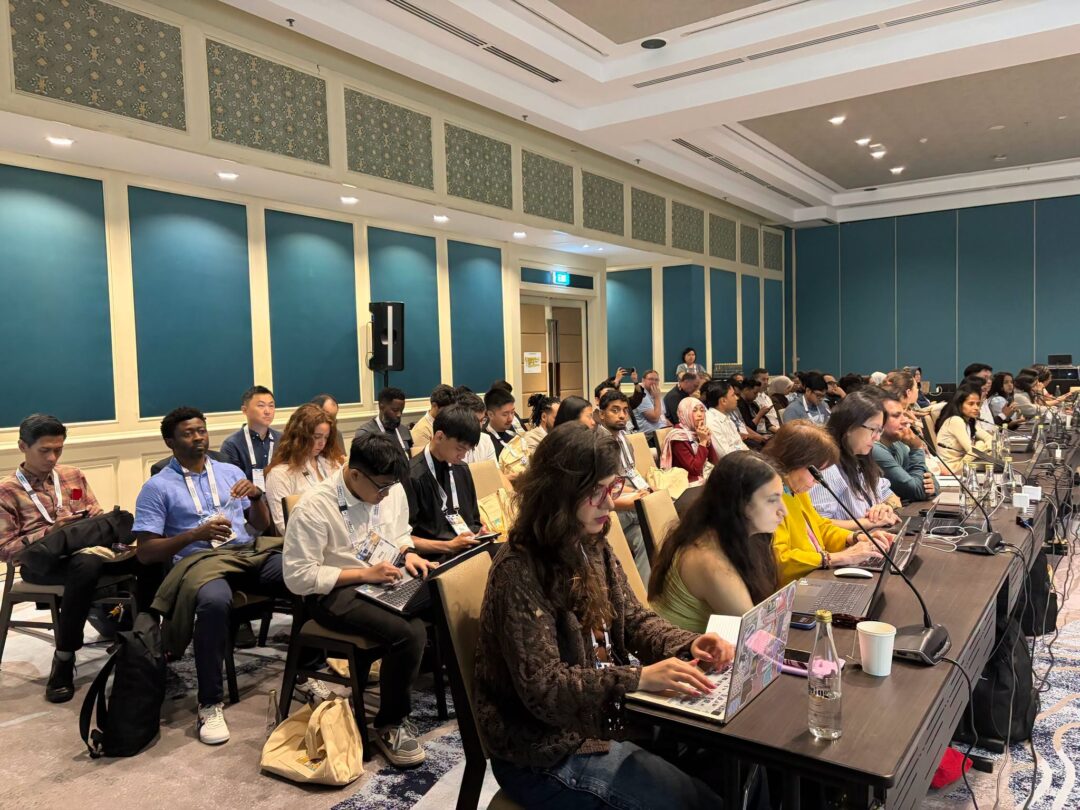
The first day of ICANN[i] 87 brought together discussions on two major challenges facing the future of the Internet: combating the malicious use of domain names and preparing for the evaluation of applications for new domain extensions. During sessions of the GNSO[ii] and the GAC[iii], he focus was on balancing security, transparency and the protection of legitimate users.
At the GNSO, a session on DNS[iv] abuse mitigation examined Associated Domain Checks (ADC)[v]. The proposal would allow other domains linked to an abuse case to be investigated under conditions established by the forthcoming policy. One of the main challenges is distinguishing domains deliberately used for malicious activities from compromised domains whose registrants are also victims. Privacy services, domain purchasing and leasing arrangements make this identification more complex.
The BC[vi] called for greater information sharing, particularly among registrars belonging to the same corporate group. Registrars highlighted the difficulties they face when operating separate systems and teams. Treating information as “reasonably accessible” emerged as a possible solution. The discussion concluded with wording revisions still pending, and the policy was not given final approval.
At the GAC, the opening session highlighted the new gTLDs[vii], round, abuse mitigation, registration data and linguistic inclusion. Capacity-building sessions presented the 1,615 applications currently in progress and explained how governments and the wider community could participate in their evaluation. Publication of the applications represents one stage of the process and does not mean they have been approved.
Governments raised questions about the protection of geographic names, the availability of documentation and the criteria for public-interest safeguards. They also advocated ways to clarify questions directly with applicants before issuing public alerts. Another unresolved issue was how to document that a concern had been satisfactorily addressed.
Participants distinguished between public comments, government alerts, formal objections and GAC consensus advice. An alert does not automatically block an application. The timeline presented identified November 17, 2026, through March 16, 2027, as the main participation window, while GAC advice remains available throughout the process.
For businesses and Internet users, these discussions underscore the importance of monitoring domain name expansion from the outset: identifying risks, submitting well-founded contributions and seeking solutions that protect the public interest.
*Nivaldo Cleto is the representative of the Business Sector – Internet Users on the Brazilian Internet Steering Committee (CGI.br) and a member of the ICANN Business Constituency
Photo – icannphotos
Footnotes
[i] ICANN — Internet Corporation for Assigned Names and Numbers: The organization responsible for the global coordination of the Internet’s unique identifiers.
[ii] GNSO — Generic Names Supporting Organization: The supporting organization responsible for developing policies for generic top-level domains.
[iii] GAC — Governmental Advisory Committee: ICANN’s Governmental Advisory Committee.
[iv] DNS — Domain Name System: The system that maps domain names to the addresses used on the Internet.
[v] ADC — Associated Domain Checks: Checks performed on associated domain names.
[vi] BC — Business Constituency: The business users’ constituency within the GNSO.
[vii] gTLD — Generic Top-Level Domain: A generic top-level domain, such as .com and .org.