
Bali, Indonesia | By Nivaldo Cleto*
Combating digital fraud and expanding participation by developing countries shaped Sunday’s discussions at ICANN[I]87 in Bali, Indonesia. Across meetings involving governments, businesses and experts, a recurring concern emerged: how to make the Internet safer without creating unnecessary barriers for legitimate users and small businesses.
The discussions moved proposals and drafting work forward, but did not result in the final adoption of new rules. Privacy, implementation costs and protection for domain name holders remained central to the negotiations.
New Domain Extensions: Financial and Technical Support
At the GAC[ii], the committee bringing together government representatives, a key topic was support for participants in the 2026 round of new Internet domain extensions, whose application window closed in August. These extensions are the names to the right of the dot in Internet addresses, such as “.com”.
The financial and technical support program received 78 applications and qualified 56 organizations for benefits. In the list released by ICANN in October, 51 applications were submitted by program participants. Receiving this support does not mean that the requested extension has been approved: it must still go through the evaluation stages.
Regional participation remains uneven: approximately 85% of applications in the round overall came from North America and Europe. Representatives argued that fee reductions should be accompanied by financing, technical assistance and legal support. The concern is to ensure that applicants from underrepresented regions can navigate potential disputes and keep their domain extensions operational.
Registration Data and Fraud Prevention
Another focus was legitimate access to information about those responsible for domain names. Governments discussed ways to improve responses to investigative requests, including cases where data is protected by privacy services or intermediaries.
Work was presented on authenticating law enforcement authorities and improving the routing of requests. Verifying the identity of a requester, however, does not automatically authorize disclosure: each request must still be assessed.
The possibility of verifying registration data before activating new domain names also received attention. National experiences indicated benefits, but participants cautioned that their results cannot simply be applied across the entire Internet.
Peru highlighted the risks of excluding small entrepreneurs and users facing difficulties with documentation or connectivity. Researchers also urged caution: statistical associations between verification and reduced abuse do not, by themselves, establish causation. No decision was made to change the window of up to 15 days discussed during the sessions.
Combating Abuse Without Harming Legitimate Users
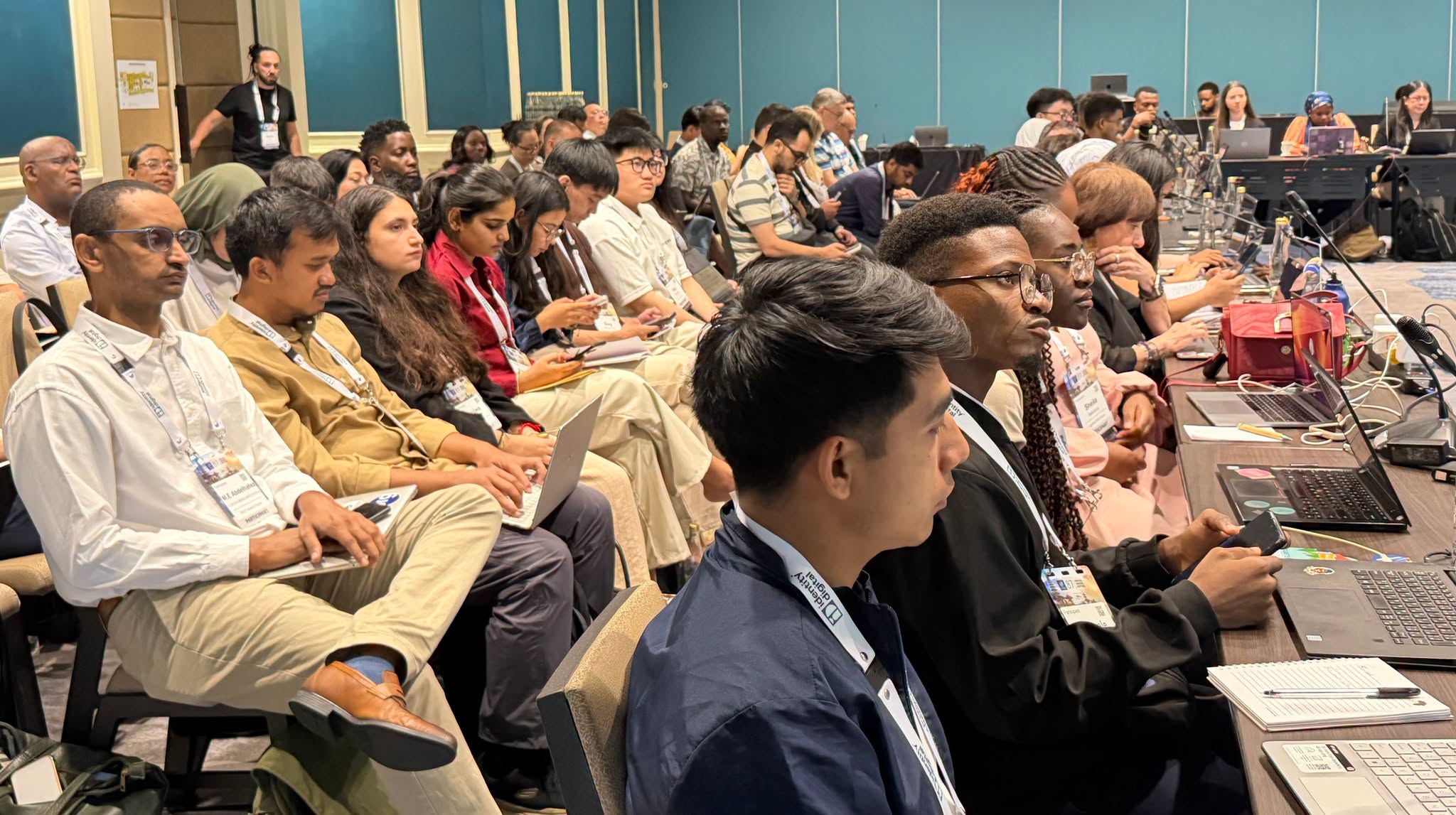
In the working group on DNS[iii] abuse, discussions focused on checking other domain names associated with an abuse case. The aim is to identify relevant connections without making unwarranted accusations or processing more data than necessary.
Participants disagreed on how to refer to privacy principles in the recommendation. Without agreement on the proposed change, the group retained the previous wording on that point. For another recommendation, wording advanced that calls for checks to be conducted promptly, taking account of the circumstances of each case, without setting a single numerical deadline.
Businesses and Governments Seek Common Priorities
The GNSO[iv] discussed how to organize its agenda in light of limited resources and volunteers’ workloads. The prioritization tool presented remains under testing and is intended to support the Council’s decisions.
In the BC[v] presentation, representatives emphasized the importance of increasing participation by small businesses and companies from developing countries. The use of artificial intelligence to accelerate fraud also emerged as a concern.
Sunday’s discussions revealed a shared focus on digital trust. Turning that objective into workable rules requires balancing investigations, privacy, costs and access—especially for those with fewer resources to participate in the digital economy.
*Nivaldo Cleto represents Business Users of the Internet on the Brazilian Internet Steering Committee (CGI.br) and is a member of the ICANN Business Constituency.
Photo – icannphotos
Notes