By Nivaldo Cleto | Bali, Indonesia*
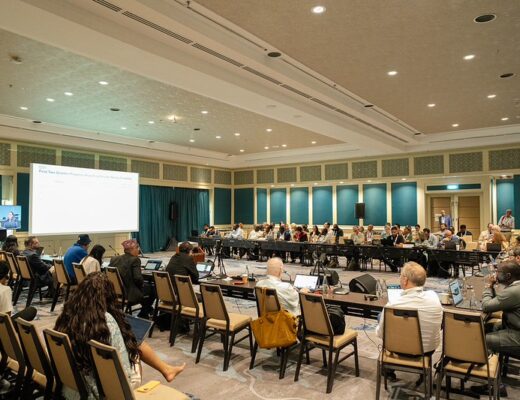
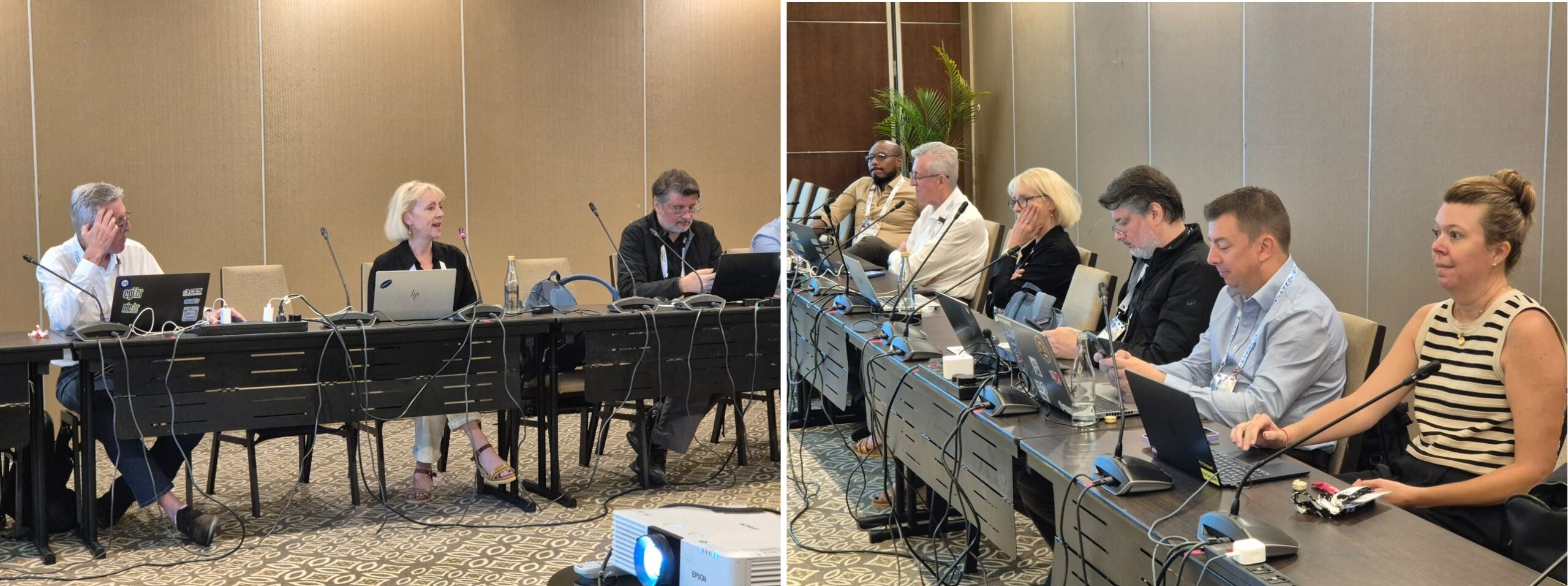
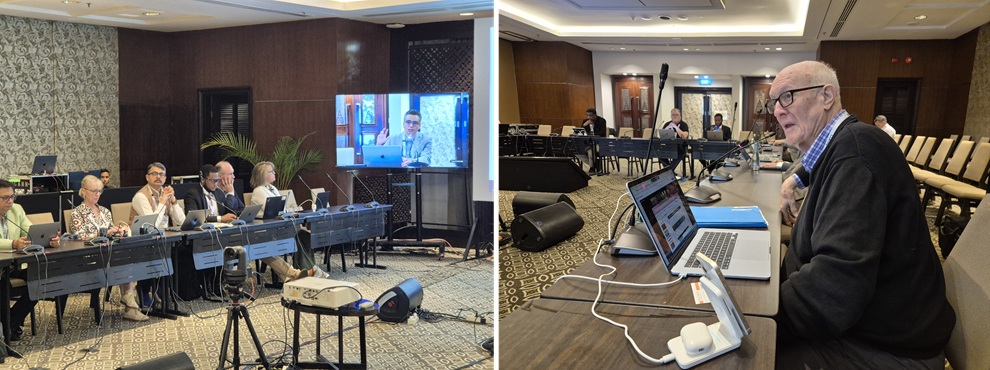
Internet security and the effectiveness of ICANN[i] policies were central to Tuesday’s Business Constituency (BC) [ii], meeting in Bali. I joined the session, chaired by Mason Cole, which brought together business user representatives to discuss how decisions and recommendations can deliver tangible results.

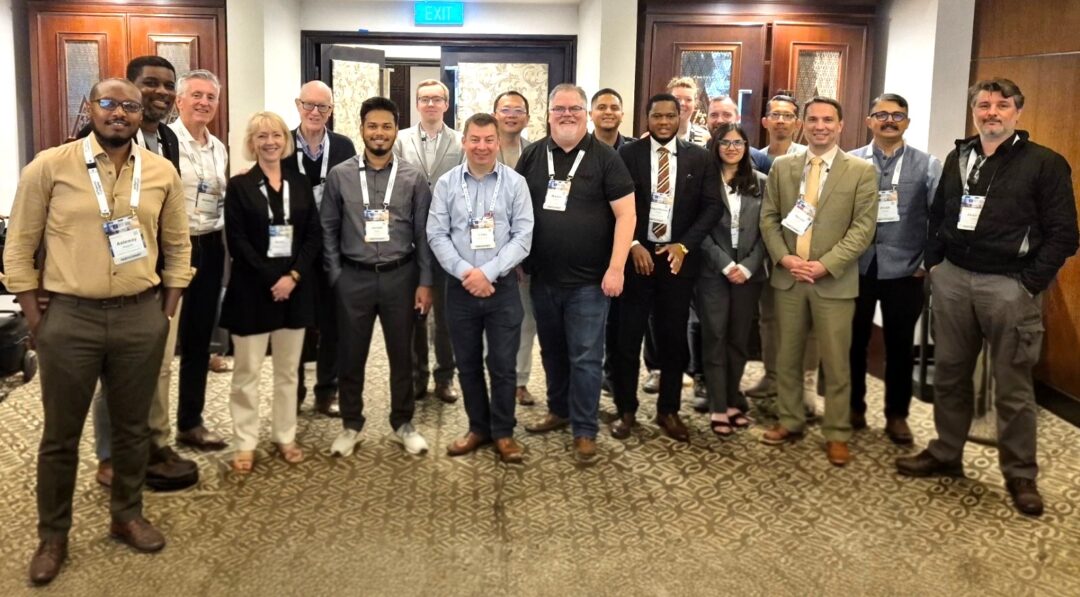
A partir da esq.: Nivaldo Cleto, representante do setor empresarial – usuários de Internet no CGI.br; Rafael Evangelista, representante da Comunidade Científica e Tecnológica; Henrique Faulhaber, representante da indústria de bens de informática; Jean Carlos Ferreira dos Santos, coordenador de Acervos e Referência do CGI.br/NIC.br; embaixador Eugênio Garcia; Laurianne-Marie Schippers, assessora técnica do CGI.br; e professor Flávio Wagner.
One of the most significant moments was an intervention by Steve Crocker, one of the Internet’s pioneers. During the presentation on reforming ICANN’s reviews, he raised a fundamental question: beyond reorganizing structures and schedules, reviews need to assess whether the organization is fulfilling its mission and whether the policies it develops are effective.
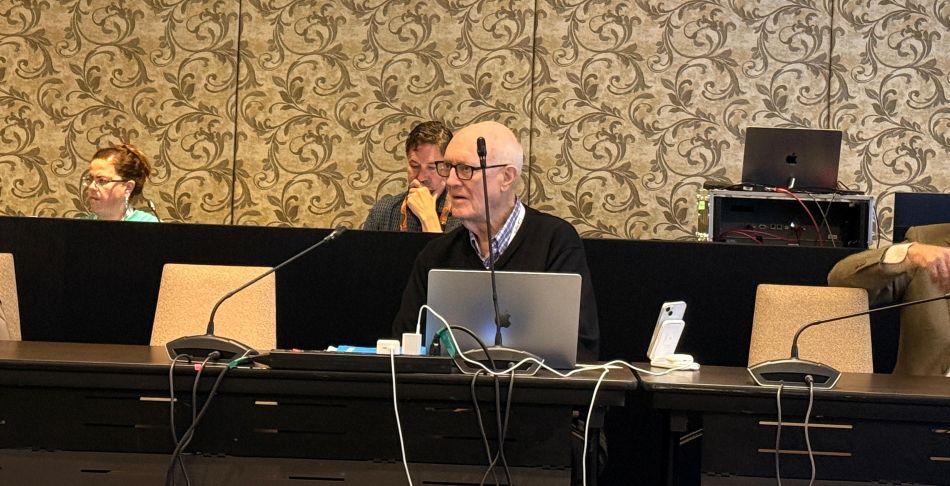
Steve Crocker
The proposed model has three streams: a review of the community’s structure, accountability and transparency reviews, and on-demand reviews. It is still due to undergo another public comment period. The discussion emphasized identifying problems without taking over the work of the groups responsible for developing policies.
Tackling abuse requires clarity
DNS[iii] buse was identified as the BC’s top priority. Participants acknowledged the rapid progress of the policy development process, while noting that the outcome reflects compromises and requires continued attention.
One concern was replacing a defined timeframe with the word “promptly” for action by registrars — companies that provide domain name registration services — following abuse reports. The question is how compliance with that obligation can be verified in practice. Participants also warned that an unclear definition of a “technical system” could place disproportionate burdens on operators that invest more in protection.
Forthcoming work is expected to address patterns of domain name registration at scale. The message was to sustain business participation both in developing the rules and in implementing them.
Privacy and responsible access to data
Another topic was the difficulty of handling data requests when a domain is registered through a proxy, particularly when the provider is independent of the registrar. Crocker suggested explicitly identifying three possible statuses in registration records: proxy registration, non-proxy registration, or unknown. The idea was presented as a contribution to the discussion and was not adopted as a rule.
The BC encouraged members to follow the implementation of recommendations on privacy and proxy services, known as PPSAI[iv], so that issues can be identified before the work is completed.
The meeting also highlighted engagement with new participants and members’ voluntary work. For those of us who represent business users, these discussions carry a continuing responsibility: trust in the Internet depends on clear rules, effective implementation and sustained dialogue among its different stakeholders.
*Nivaldo Cleto é representante dos usuários empresariais de Internet no CGI.br e membro da Business Constituency da ICANN.
Notes